I designed and developed the majority of this website,
translating the service concept into an interactive storytelling experience.
I designed and developed the majority of this website,
translating the service concept into an interactive storytelling experience.
Autonomous Mobility
as a Social Service
Service Design Project
Autonomous Mobility
as a Social Service
Service Design Project
Autonomous Mobility
as a Social Service
Service Design Project
Mixed-method research with 107+ participants &
3 co-design workshops, shaping a service design concept now informing future pilot directions.
Mixed-method research with 107+ participants &
3 co-design workshops, shaping a service design concept now informing future pilot directions.
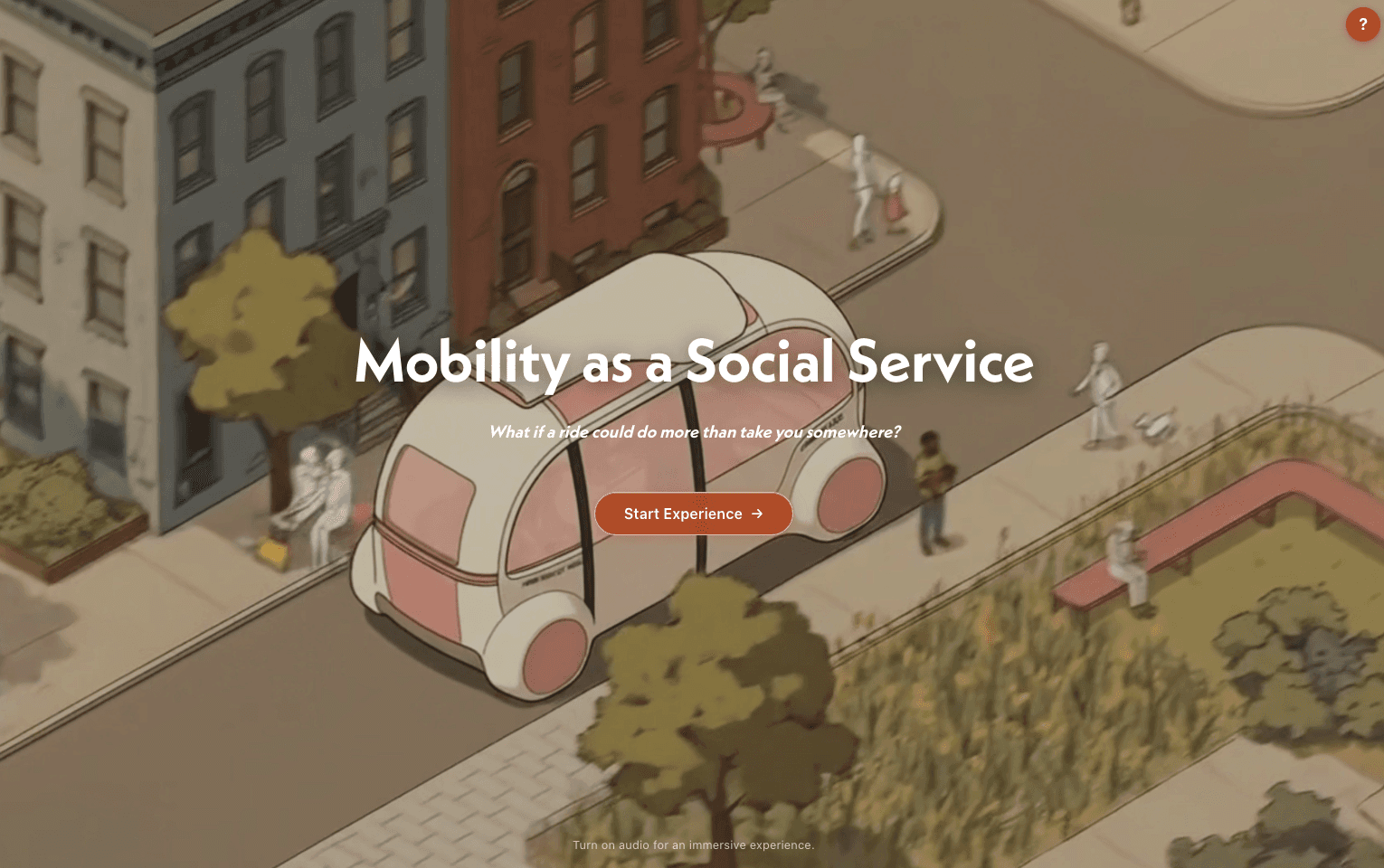
Overview
Overview
In partnership with the Toyota Mobility Foundation and Southeast Community Services (SECS), I led research and concept development with a design team, conducting mixed-method research with 107+ participants (AI-assisted rapid interviews, dot survey, focus groups) across 3 community sites to understand barriers to service engagement and document lived conditions.
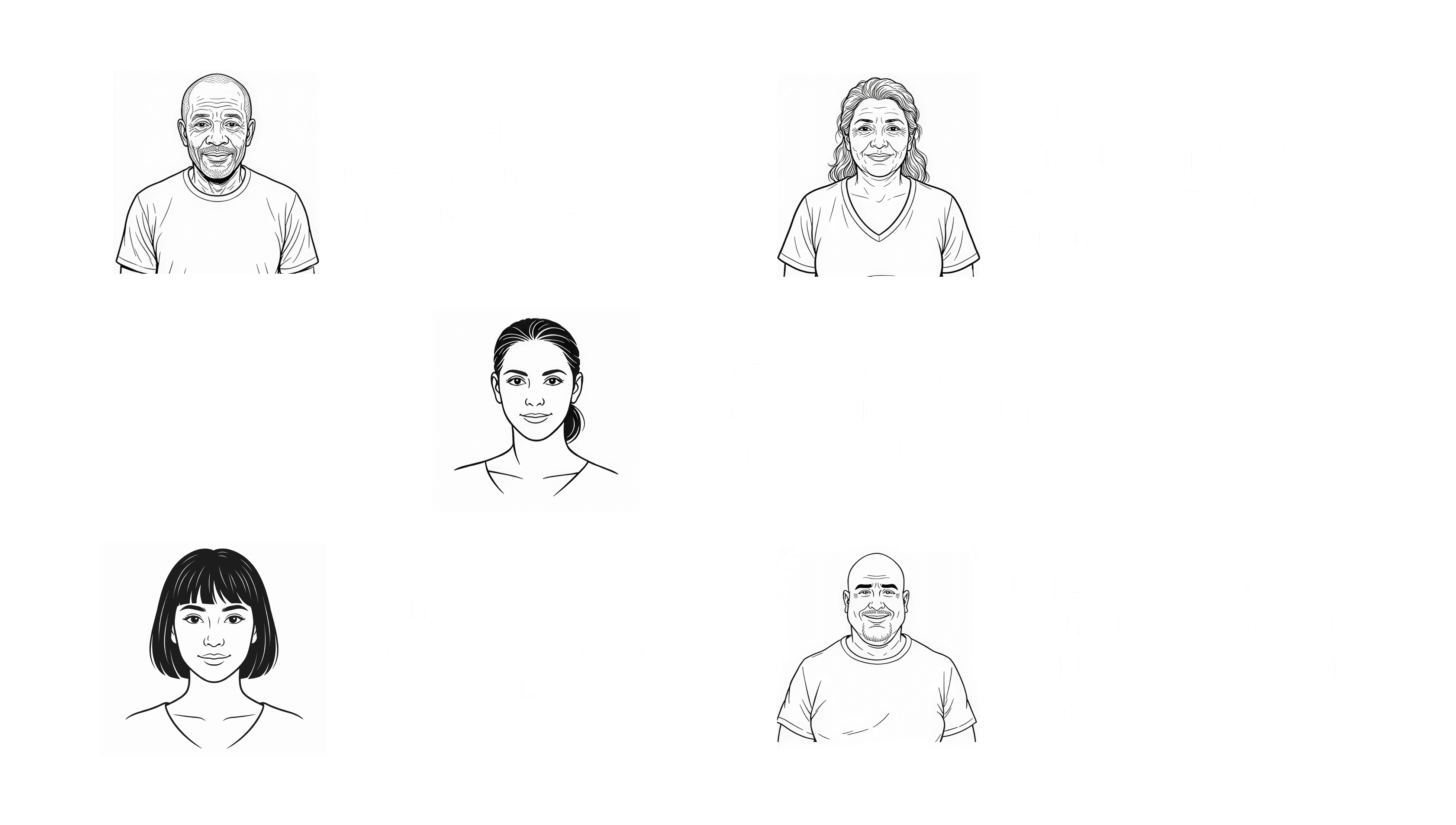
Analysis revealed that structural barriers function as universal barrier multipliers. We then engaged system-level stakeholders in 3 co-design workshops using five research-grounded personas as design artifacts. By starting with neighbors’ lived experiences, we can imagine autonomous mobility as more than transportation.
✱ Supported by Public Interest Technology University Network (PIT-UN)
In partnership with the Toyota Mobility Foundation and Southeast Community Services (SECS), I led research and concept development with a design team, conducting mixed-method research with 107+ participants (AI-assisted rapid interviews, dot survey, focus groups) across 3 community sites to understand barriers to service engagement and document lived conditions.
Analysis revealed that structural barriers function as universal barrier multipliers. We then engaged system-level stakeholders in 3 co-design workshops using five research-grounded personas as design artifacts. By starting with neighbors’ lived experiences, we can imagine autonomous mobility as more than transportation.
✱ Supported by Public Interest Technology University Network (PIT-UN)
Community-rooted Research
Community-rooted Research
Community-rooted Research
→
→
→
Synthesis with
system-level stakeholders
Synthesis with
system-level stakeholders
Synthesis with
system-level stakeholders
→
→
→
Service Design Concept
Service Design Framework
Service Design Concept
Role
Role
Researcher &
Product Builder/ Designer
Worked with:
4 Designers & Researchers
Researcher &
Product Builder/ Designer
Worked with:
4 Designers & Researchers
Timeline
Timeline
Sep 2025 - Present
Sep 2025 - Present
Tasks
Tasks
User Research
Workshops
UX Design
Prototyping
Motion Design
Presenting
User Research
Workshops
UX Design
Prototyping
Motion Design
Presenting
Tools
Tools
Figma
Dedoose
Genway AI
Claude Code
Flora.ai
Figma
Dedoose
Genway AI
Claude Code
Flora.ai
Meeting Neighbors Where They Are
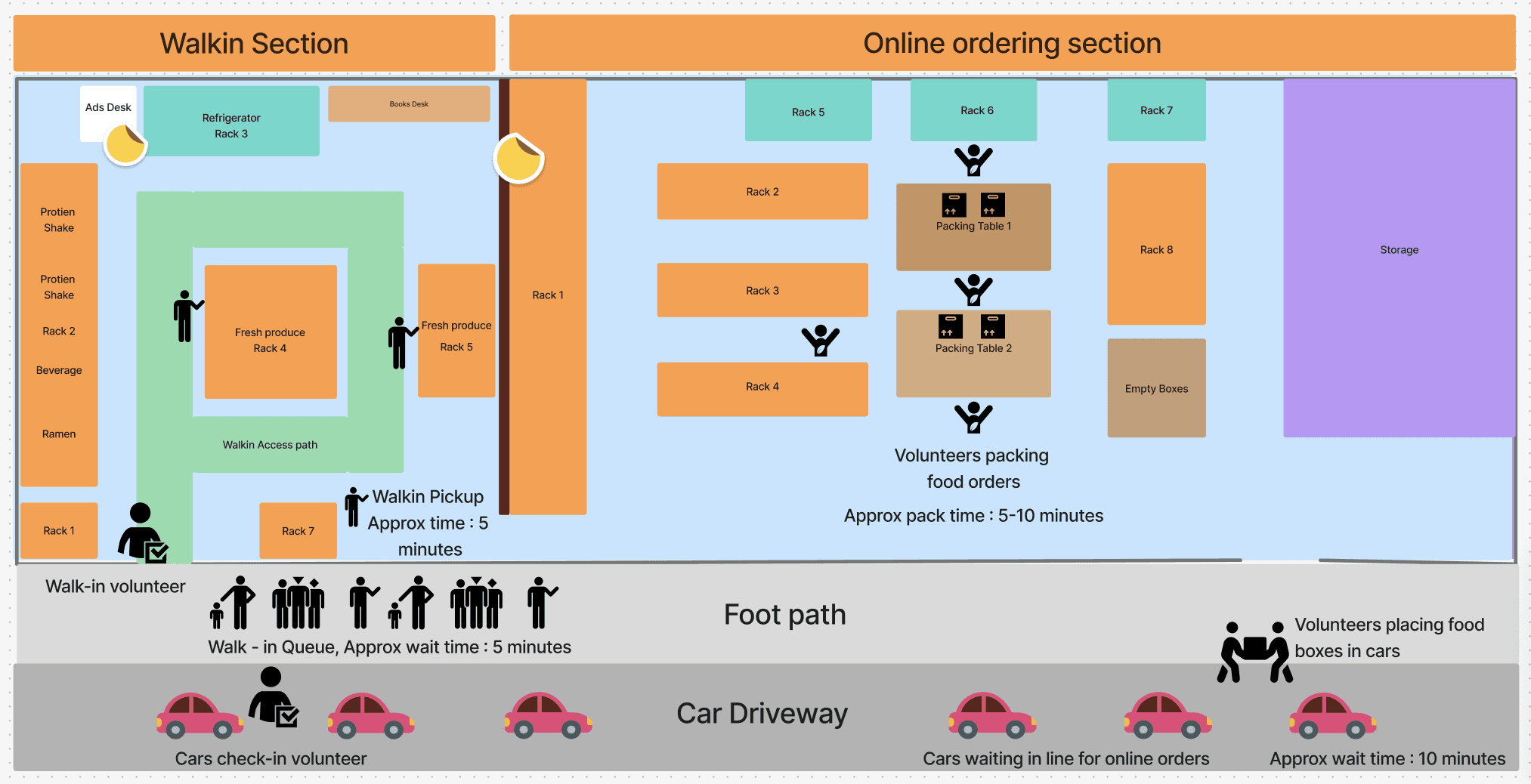
Guided by our environment analysis, we deployed 3 complementary methods designed to fit the specific time windows and emotional states of neighbors in each zone.
Meeting Neighbors
Where They Are
Guided by our environment analysis, we deployed 3 complementary methods designed to fit the specific time windows and emotional states of neighbors in each zone.
Mixed-Method Research
AI-Moderated Interviews (N=27)
Interactive Sticker Walls (N=70)
Insight Box Focus Groups (N=10)
Mixed-Method Research
AI-Moderated Interviews (N=27)
Interactive Sticker Walls (N=70)
Insight Box Focus Groups (N=10)
107 +
Participants
107 +
Participants
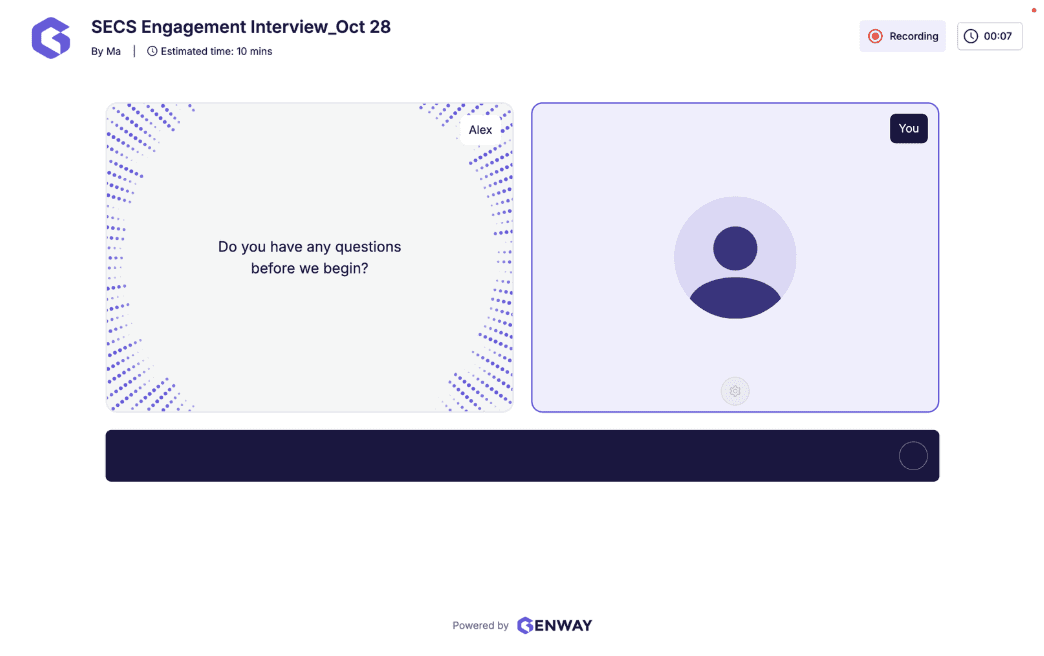
01 The Drive-Through Zone: AI-Moderated Interviews
Targeted 10-minute wait in the car line.
Leveraged AI (voice-based, multi-language) to lower literacy barriers and reduce social pressure. This private environment allowed neighbors to share sensitive struggles they might withhold in face-to-face surveys.
01 The Drive-Through Zone: AI-Moderated Interviews
Targeted 10-minute wait in the car line.
Leveraged AI (voice-based, multi-language) to lower literacy barriers and reduce social pressure. This private environment allowed neighbors to share sensitive struggles they might withhold in face-to-face surveys.
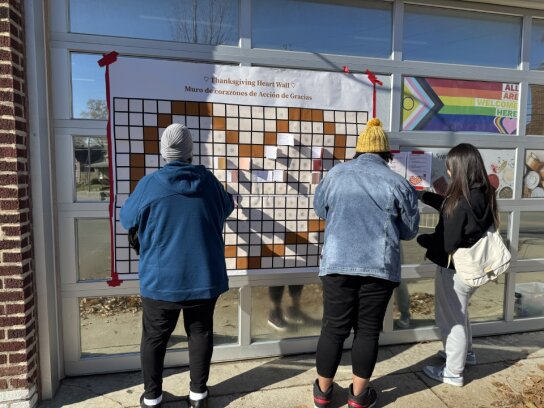
02. The Walk-In Zone: Interactive Sticker Walls
Targeted 5~10minutes standing wait in the outdoor queue.
Installed large-format visual boards for low-barrier participation. This allowed neighbors to map collective patterns publicly, visualizing the community's aggregate voice in real-time without slowing down the line.
02. The Walk-In Zone: Interactive Sticker Walls
Targeted 5~10minutes standing wait in the outdoor queue.
Installed large-format visual boards for low-barrier participation. This allowed neighbors to map collective patterns publicly, visualizing the community's aggregate voice in real-time without slowing down the line.
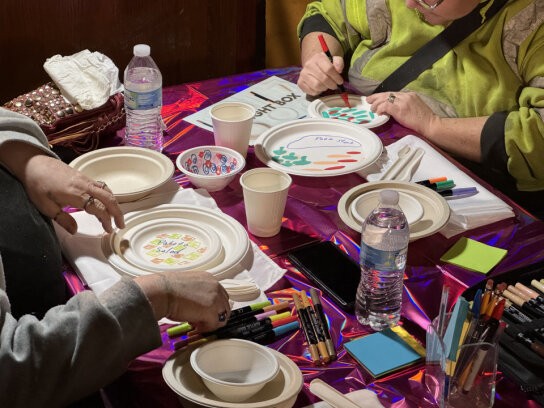
03. The Deep Dive: "Insight Box" Focus Groups
Targeted neighbors willing to engage in deeper, 90-minute sessions.
Build a "Insight Box" kit where participants arranged physical objects to build their "Ideal Meal". This tangible metaphor helped ground abstract systemic barriers in emotional reality.
03. The Deep Dive: "Insight Box" Focus Groups
Targeted neighbors willing to engage in deeper, 90-minute sessions.
Build a "Insight Box" kit where participants arranged physical objects to build their "Ideal Meal". This tangible metaphor helped ground abstract systemic barriers in emotional reality.
Neighbor Personas Synthesis
Neighbor Personas Synthesis
Key Findings
Key Findings
Mobility as a Barrier Multiplier
Mobility as a Barrier Multiplier
Mobility as a Barrier Multiplier
When mobility fails, access to resources and employment collapses simultaneously.
When mobility fails, access to resources and employment collapses simultaneously.
Time Poverty Blocks Service Access
Time Poverty Blocks Service Access
Time Poverty Blocks Service Access
Pantries offer essential services. Neighbors are interested. But the time simply isn't there.
Pantries offer essential services. Neighbors are interested. But the time simply isn't there.
Pantries offer essential services. Neighbors are interested. But the time simply isn't there.
Mutual Care Networks Already Exist
Mutual Care Networks Already Exist
These networks are doing the work institutions aren't. They need strengthening, not replacing.
These networks are doing the work institutions aren't. They need strengthening, not replacing.
Design and Iteration:
Worked with 22 Stakeholders in 3 workshops
Researching pantry visitors helped us understand the user perspective, but we also needed to understand real-world implementation
Design and Iteration:
Worked with 22 Stakeholders in 3 workshops
Researching pantry visitors helped us understand the user perspective, but we also needed to understand real-world implementation
Participatory Design
Participatory Design
Co-design: From Personas to Service Directions
Co-design: From Personas to Service Directions
Map Current System
Map Current System
→
→
Identify System Challenges
Identify System Challenges
→
→
Solve for Personas
Solve for Personas
→
→
Build & Evaluate AV concept
Build & Evaluate AV concept
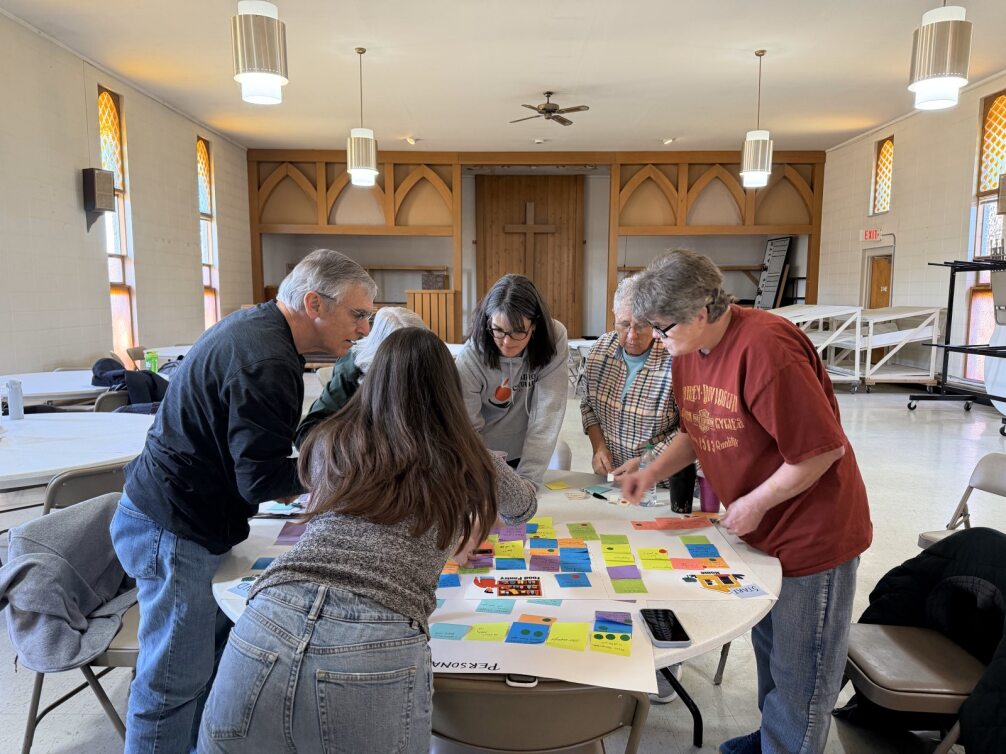
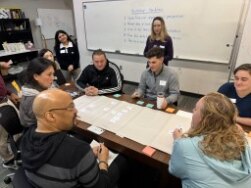
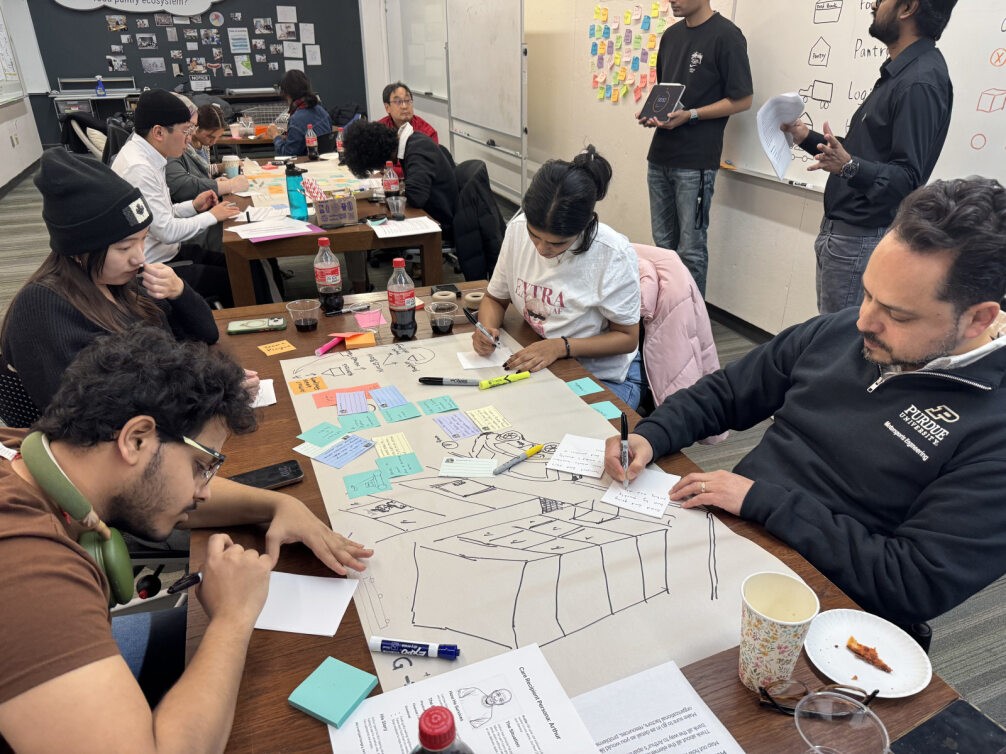
I facilitated 3 co-design workshops to identify AV service design concept and producing a interactive website to visualize the full "Mobility as a Service" artifacts for stakeholders buy In and AV awareness material.
I facilitated 3 co-design workshops to identify AV service design concept and producing a interactive website to visualize the full "Mobility as a Service" artifacts for stakeholders buy In and AV awareness material.
Design Principles for AV-as-a-Social-Service
Design Principles for AV-as-a-Social-Service
Coordination, not just transportation
The value of the AV is not the ride itself, but what the ride enables.
Multi-stop routing, transit coordination, and wraparound access reduce the burden of daily planning.
Coordination, not just transportation
The value of the AV is not the ride itself, but what the ride enables.
Multi-stop routing, transit coordination, and wraparound access reduce the burden of daily planning.
Reach people the current system misses
Many neighbors still cannot reliably access pantry services due to mobility, transportation, or caregiving challenges.
Reach people the current system misses
Many neighbors still cannot reliably access pantry services due to mobility, transportation, or caregiving challenges.
Automate logistics, protect human connection
Social Services are built on trust and relationships. Automation should reduce operational burden while preserving the human support that makes the system meaningful.
Automate logistics, protect human connection
Social Services are built on trust and relationships. Automation should reduce operational burden while preserving the human support that makes the system meaningful.
Flexible and adaptive service model
The service should support multiple modes and adapt to each person’s situation, rather than rely on a fixed transit model.
Flexible and adaptive service model
The service should support multiple modes and adapt to each person’s situation, rather than rely on a fixed transit model.
Build trust through real-world demonstration
Stakeholders emphasized that adoption requires visible, gradual implementation. Trust grows through pilots, transparency, and consistent community experience.
Build trust through real-world demonstration
Stakeholders emphasized that adoption requires visible, gradual implementation. Trust grows through pilots, transparency, and consistent community experience.
Create a sustainable service model
The system should balance operational efficiency with human impact. Trip data, access metrics, and service outcomes help improve operations while supporting long-term funding and scalability.
Create a sustainable service model
The system should balance operational efficiency with human impact. Trip data, access metrics, and service outcomes help improve operations while supporting long-term funding and scalability.
Introducing our Solution
On-Demand AV as a Social Service
for A Profile of the Population - Maya
Introducing our Solution
On-Demand AV as a Social Service
for A Profile of the Population - Maya
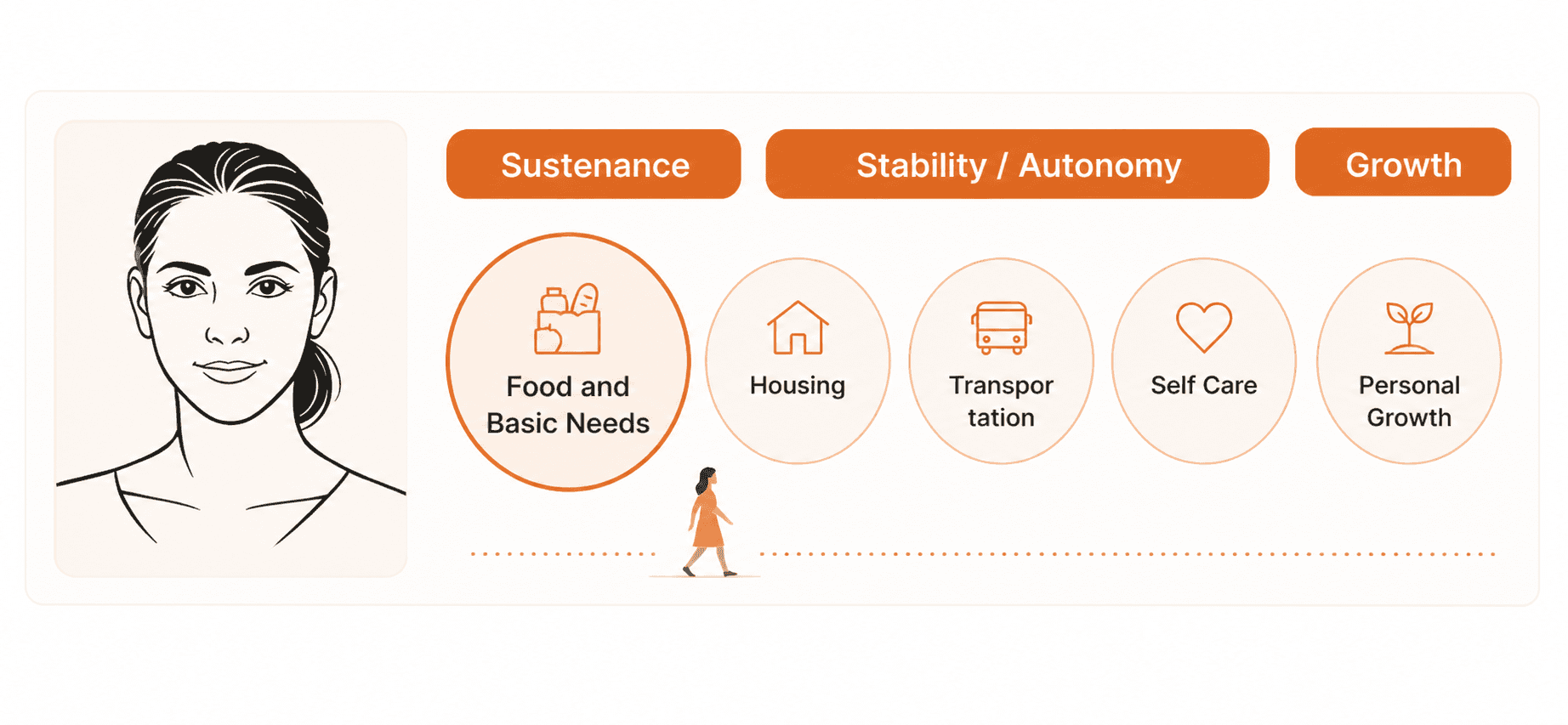
This is a stakeholder-facing interactive web experience that follows Maya through a single day in which the community mobility service operates as designed.
It is the primary communication artifact for this project.
This is a stakeholder-facing interactive web experience that follows Maya through a single day in which the community mobility service operates as designed.
It is the primary communication artifact for this project.
Service Design
Service Design
On-Demand AV as a Social Service
On-Demand AV as a Social Service
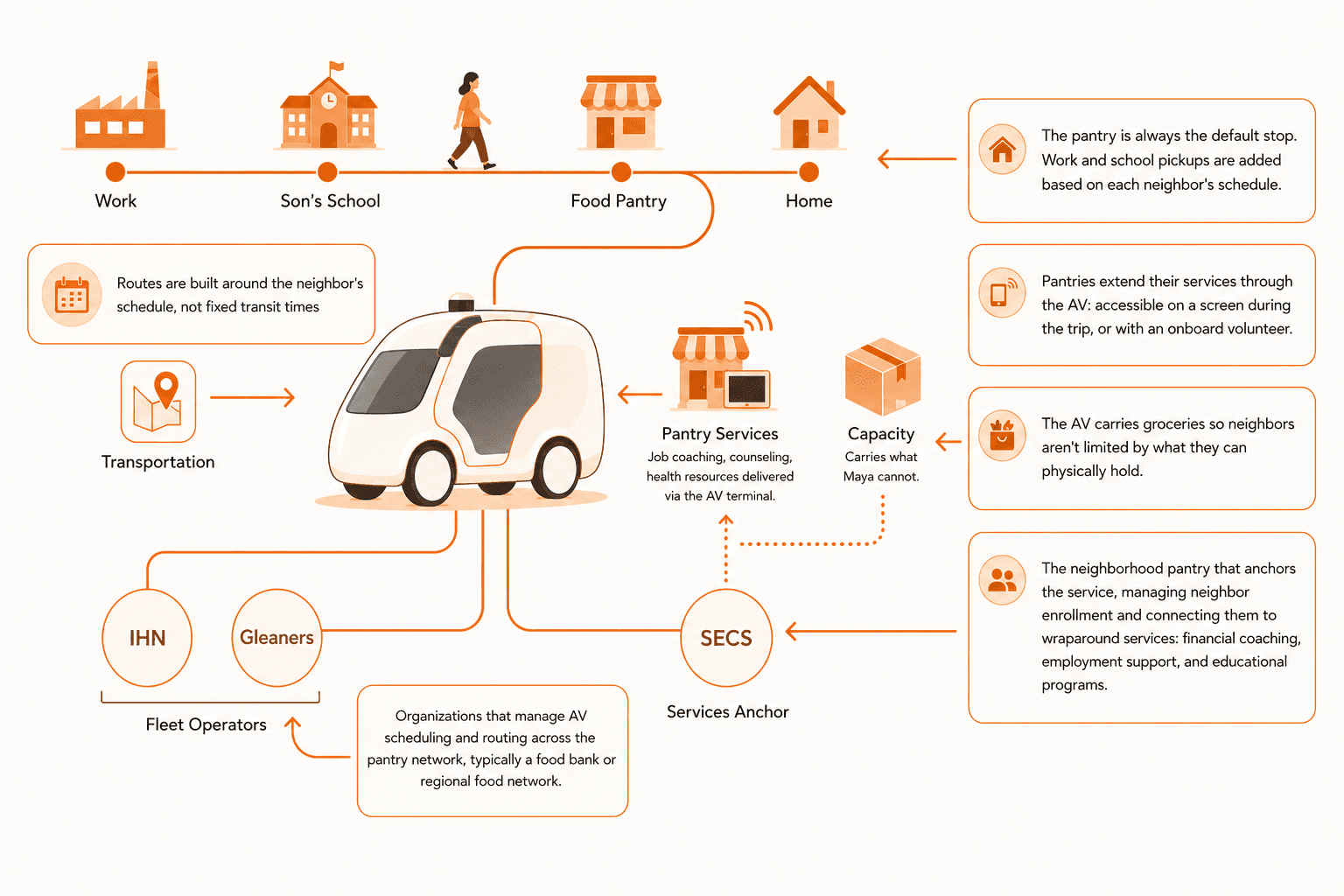
Neighbors enroll through the pantry. On enrollment, each neighbor receives a monthly mobility allocation through a points-based access system that functions similarly to how SNAP provides a monthly allocation for food purchases.
Neighbors can configure essential stops within social services maintained by the network operator and the pantry hubs, and those stops draw points at a higher rate. The allocation system directs the service toward its own purpose: neighbors who use the vehicle to access coaching or counseling receive more mobility in return.
Neighbors enroll through the pantry. On enrollment, each neighbor receives a monthly mobility allocation through a points-based access system that functions similarly to how SNAP provides a monthly allocation for food purchases.
Neighbors can configure essential stops within social services maintained by the network operator and the pantry hubs, and those stops draw points at a higher rate. The allocation system directs the service toward its own purpose: neighbors who use the vehicle to access coaching or counseling receive more mobility in return.
Results
Results
4/5 concept clarity score
Conversations shifted from “what is this?” to “how could this work in practice?”
4/5 concept clarity score
Conversations shifted from “what is this?” to “how could this work in practice?”
Pilot implementation conversations initiated
Stakeholders discussed operational feasibility, service coordination, and future deployment pathways for testing.
Pilot implementation conversations initiated
Stakeholders discussed operational feasibility, service coordination, and future deployment pathways for testing.
Reflection
Reflection
Good mobility design strengthens human connection
Good mobility design strengthens human connection
Automation should reduce operational burden while preserving the human support that makes the system meaningful.
Automation should reduce operational burden while preserving the human support that makes the system meaningful.
Systems thinking matters more than isolated features
Systems thinking matters more than isolated features
Designing complex service deign project meant thinking across stakeholders, operations, trust, funding, policy, and community, not just the user interface.
Speculative design still needs grounded realities
Speculative design still needs grounded realities
Even though the concept is future-facing, the strongest ideas came from real conversations, lived experiences, and existing community systems.


© 2026 Amy Hsieh
Built with ♥ and music
© 2026 Amy Hsieh
Built with ♥ and music